The MIM process can be divided into four key stages. Each stage requires precise parameter control to ensure the dimensional accuracy and mechanical properties of the final product.
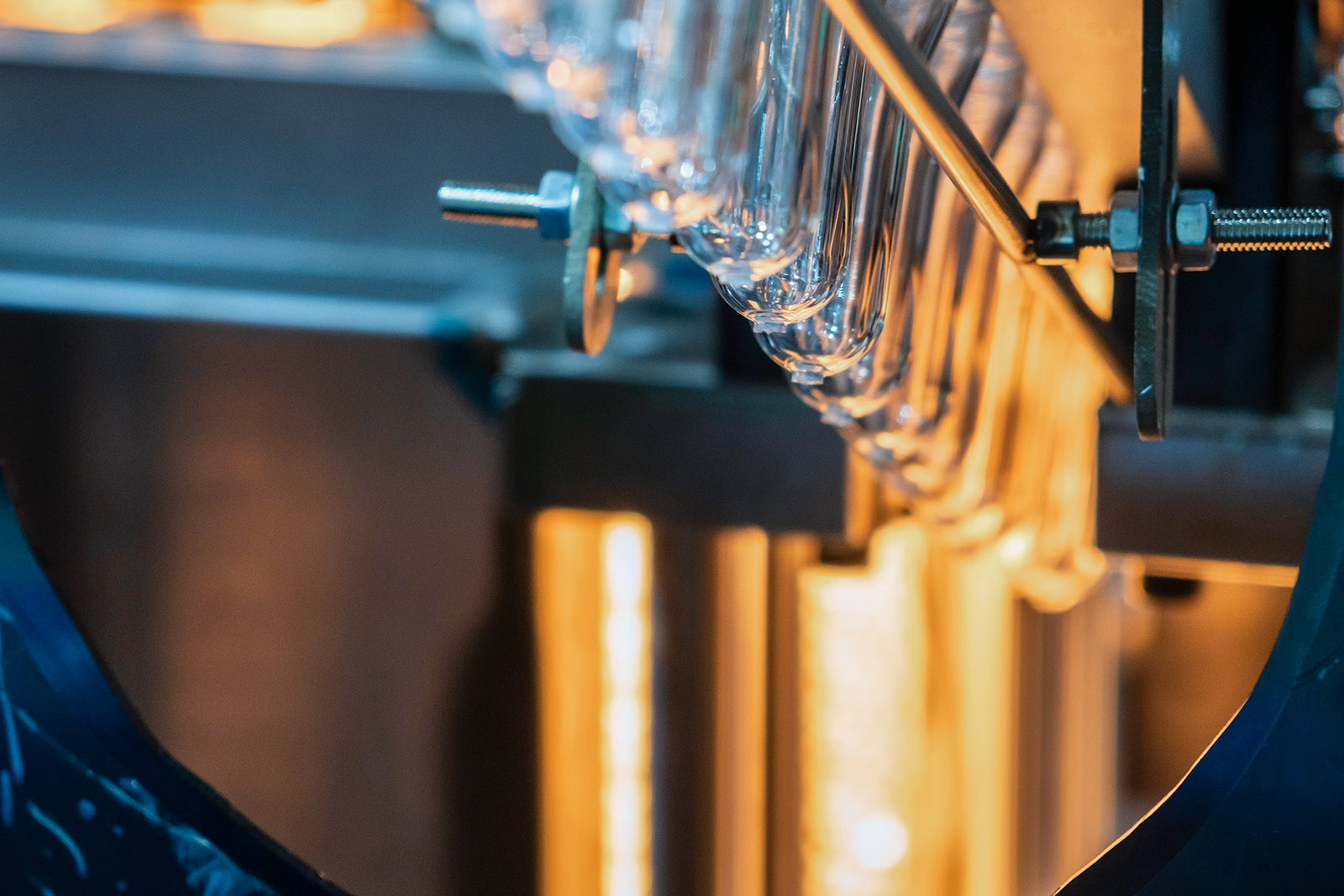
The process begins with precision mold design. Because MIM parts undergo approximately 15% to 20% volumetric shrinkage during sintering, the mold cavity must be precisely enlarged according to the specific shrinkage rate of the material. Metal powder and polymer binders are compounded into feedstock, which is injected into the mold to form a green part with sufficient handling strength.
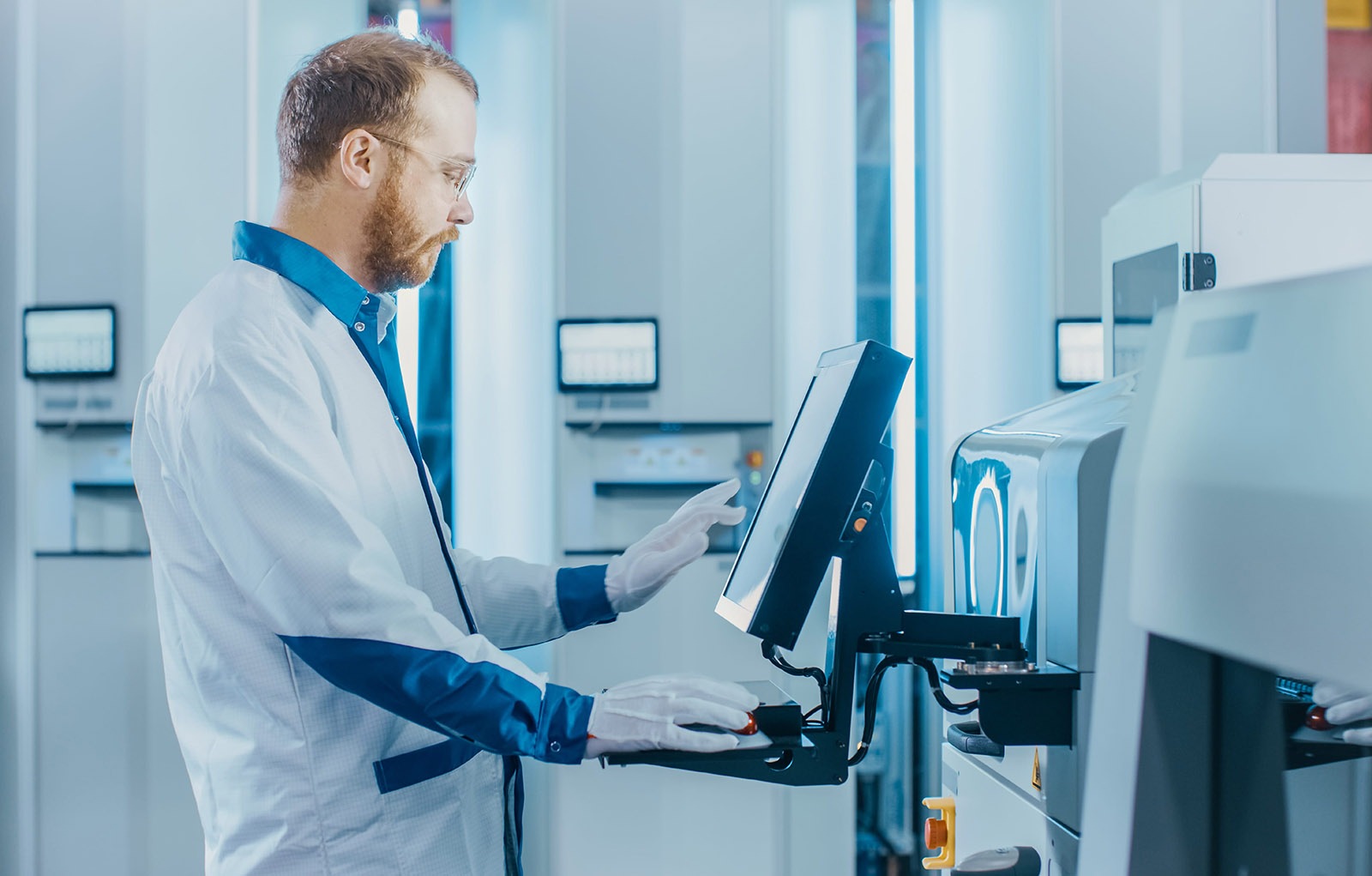
This is the core stage that determines material performance. First, most of the binder in the green part is removed through chemical solvent debinding or thermal/catalytic methods, turning it into a brown part. The part is then sintered at high temperature in a vacuum or protective-atmosphere furnace, typically at a temperature close to the metal’s melting point. During this stage, metal powder particles diffuse, bond, and densify, increasing relative density to above 96% and forming a fully dense metal component.
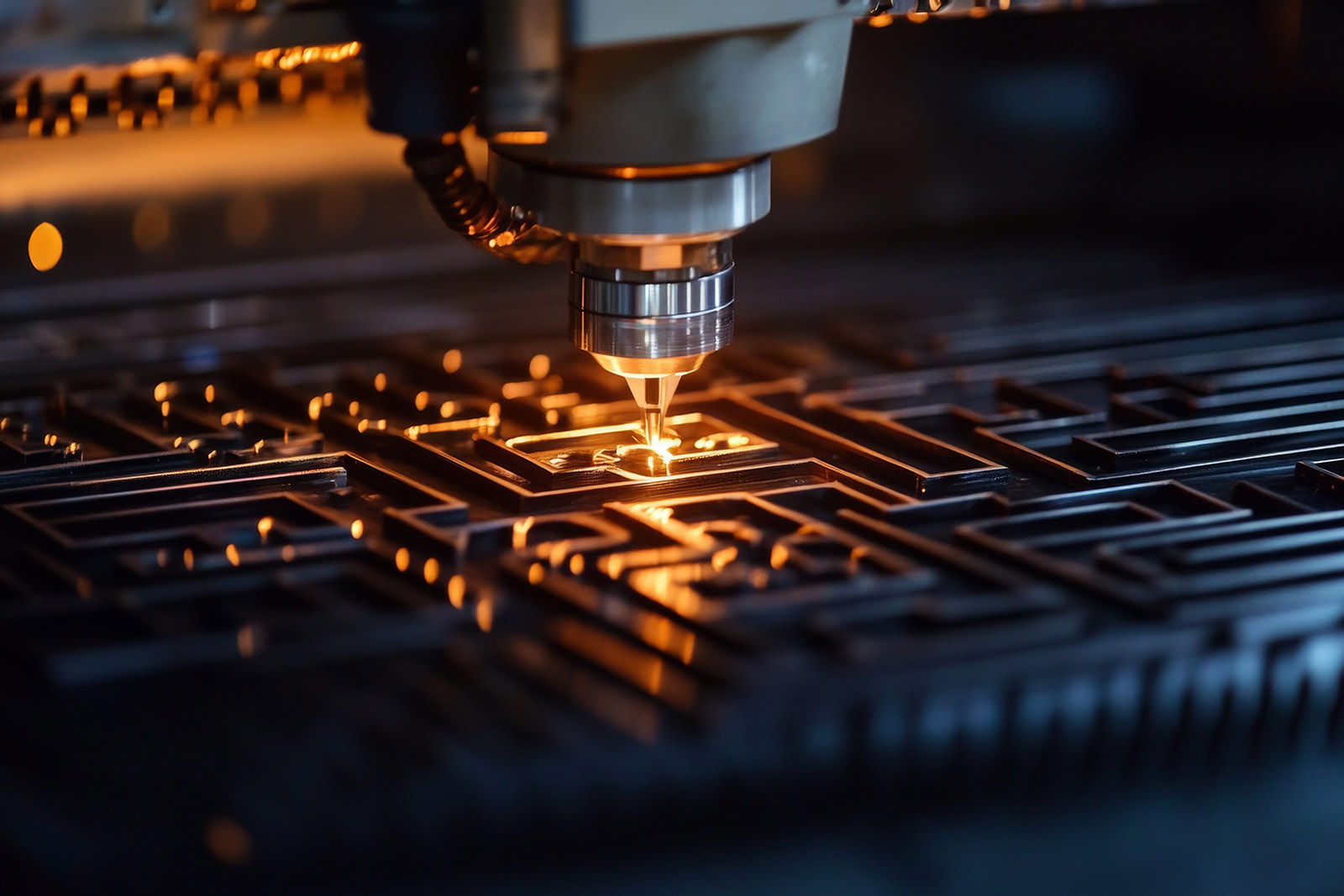
For features with extremely tight tolerance requirements, such as within ±0.05 mm, we perform coining or precision CNC machining, including turning and tapping. When higher hardness and wear resistance are required, heat treatment processes such as quenching and tempering can also be applied.
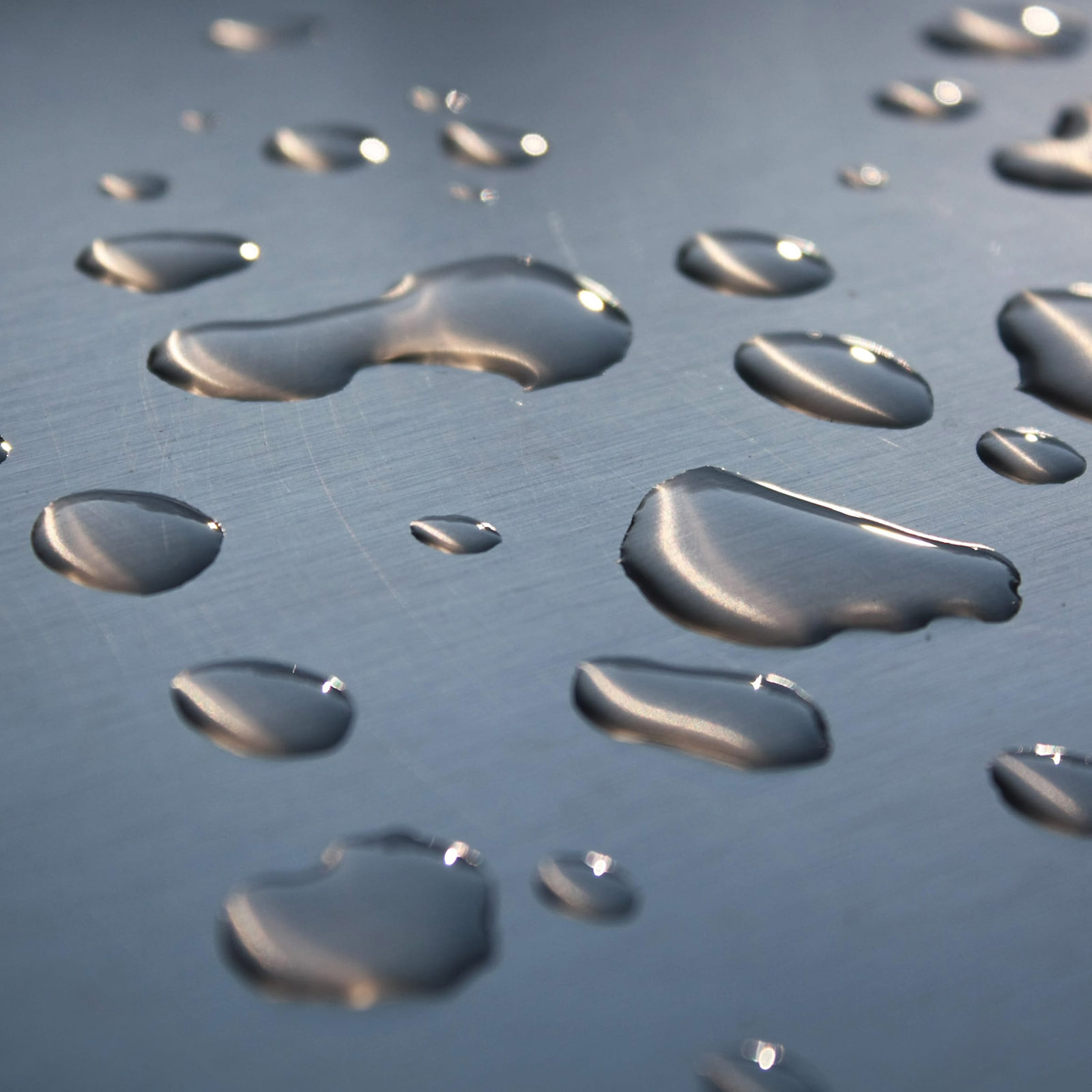
To meet appearance and functional requirements, MIM parts can undergo a wide range of surface treatments, including sandblasting, mirror polishing, electrophoretic coating, and PVD vacuum coating. These treatments not only enhance the visual quality and tactile feel of the product, but also improve corrosion and oxidation resistance.